A Guide to Predicting Lobby Contest Before Committing to a Direction
Bridge Games That Reward Consistent Team Performance
Contract bridge stands out among traditional mind sports because it fundamentally demands seamless synergy between partners rather than isolated individual brilliance. In competitive tournament structures, long-term success is determined by a pair's ability to maintain a steady tactical approach across multiple sets of deals. The tournament scoring systems specifically favor units that avoid catastrophic errors, heavily penalizing volatile decision-making over extended play sessions.
Unlike casual card games where a single lucky hand can determine the winner, duplicate bridge minimizes the element of chance by replicating identical deals across various tables. This structure directly evaluates how well a partnership handles the exact same distribution compared to their peers sitting in the identical direction. Consequently, achieving high marks requires a steady execution of standard systems rather than relying on erratic, high-risk maneuvers.
Teams that excel consistently focus on maximizing routine gains and securing average-plus results on almost every deal. Over an extended tournament, these marginal advantages accumulate into a decisive lead that separates elite teams from the rest of the field. Maintaining emotional discipline after a poor board is vital to preventing subsequent mistakes from derailing an entire session.
A primary factor in achieving consistent group outcomes is the development of a highly synchronized bidding methodology that both players understand completely. When partners utilize identical defensive logic and card values, they can accurately predict each other's hidden holdings during the auction phase. This level of clarity prevents communication breakdowns, ensuring the pair reaches optimal contracts smoothly and regularly.
Many analytical players refine their strategic logic by exploring modern online spaces that emphasize tactical coordination and rule-based decision making. For instance, teams looking for dynamic card challenges often observe competitive patterns at the m88 mansion indo platform to study cohesive group interactions. Establishing these firm mathematical foundations remains the absolute cornerstone of moving from recreational play to high-level tournament success.
While executing a declarer contract is rewarding, superior defensive coordination is frequently what defines the highest-performing partnerships in duplicate events. Defenders must communicate legally and subtly through their choice of discards and opening leads to disrupt the declarer's initial strategy. A single misplaced card can expose the entire defense, highlighting why mutual trust is essential at the table.
Effective signaling systems allow players to clarify their card length and suit preferences as the hand unfolds in real time. This continuous flow of reliable information empowers the active defender to make critical finesses or passive returns with absolute certainty. Teams that practice defensive scenarios together develop a shared intuition that successfully limits the opponents' extra tricks.
Maintaining a balanced mental attitude throughout a multi-day bridge competition is just as critical as technical proficiency with the cards. Since partners are entirely interdependent, demonstrating patience and mutual support during unavoidable card standard deviations keeps focus high. Blaming a teammate for an oversight quickly erodes the trust required for the remaining bidding sequences.
Top-tier squads implement structured review habits between tournament sessions to analyze complex deals without emotional bias. Discussing misunderstandings objectively ensures that the system is refined rather than abandoned under sudden pressure. Ultimately, the bridge variants that reward sustained performance demonstrate that the strongest bond at the table always prevails.
Craps Rules That Are Easy to Remember
Walking up to a lively casino craps table often feels overwhelming due to the fast-paced movements and complex shouting. However, learning the absolute basics of this classic dice game is much easier than it looks at first glance. By stripping away the outer noise and focusing on a few core concepts, any beginner can join the fun with complete assurance.
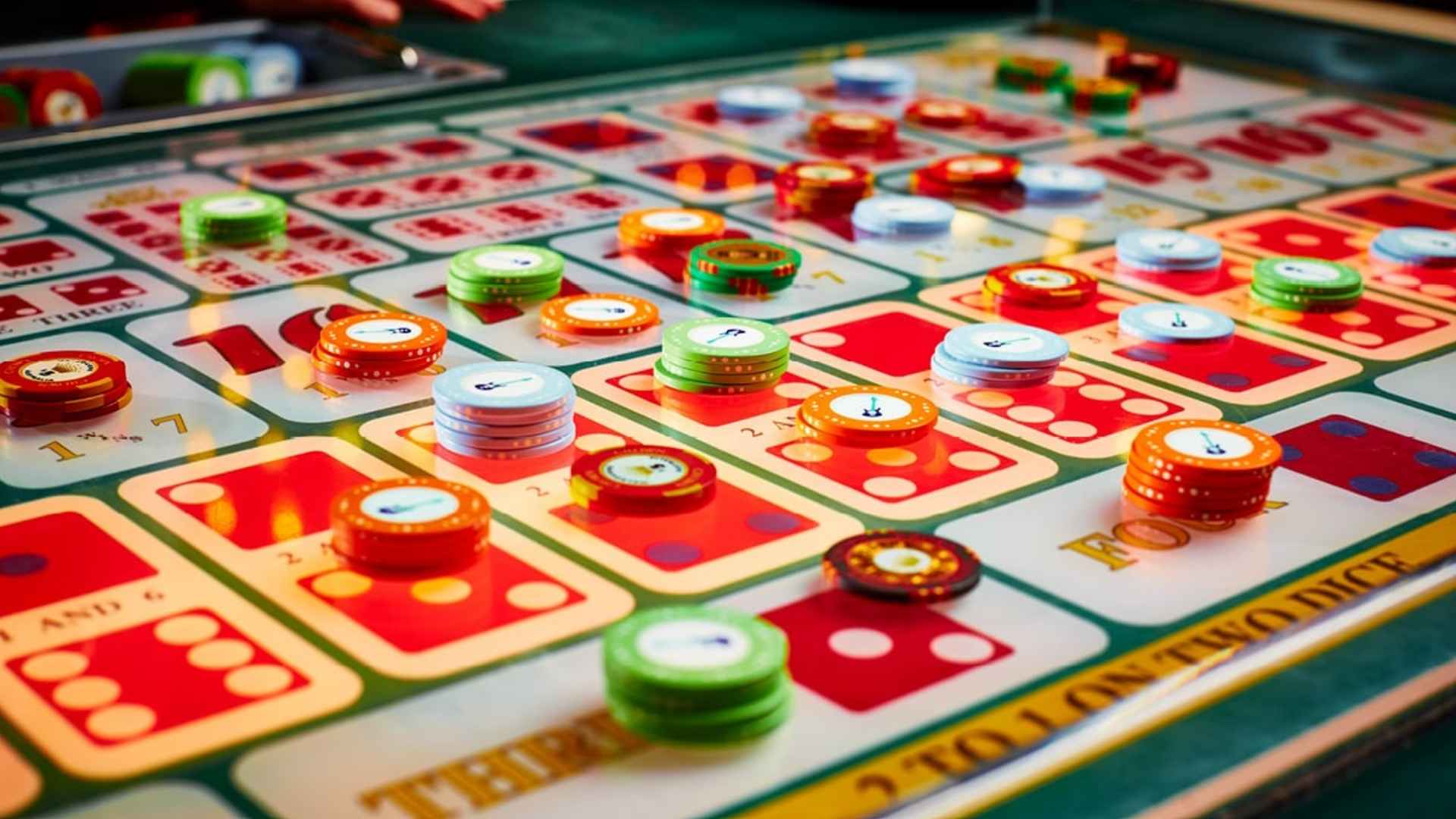
Every standard game of craps begins with a foundational phase known as the come-out roll. The person throwing the dice aims to establish a specific strategic path for the rest of the active rounds. If this initial throw results in a total of seven or eleven, the primary table line wins immediately.
Conversely, rolling a two, three, or twelve results in an immediate loss, which is widely referred to as crapping out. Any other rolled number creates what veterans call a point target on the layout canvas. The shooter must then roll that exact numerical value again before a seven appears to secure a win for the table.
To keep your gameplay straightforward, you only need to focus on the most popular field area known as the Pass Line. Placing your chips here means you are actively cheering for the shooter to succeed during their active turns. This specific option remains highly favored because it carries one of the lowest house advantages on the casino floor.
For those who prefer a digital landscape, exploring modern platforms like m88 mansion indo provides a smooth environment to observe these dynamic rules in action. Sticking to the Pass Line protects your session budget from rapid drops while you build genuine table confidence. It successfully turns a complex layout into a simple choice between two major historical outcomes.
Once a point number is firmly established, the overall dynamics of the table shift into a strategic waiting period. The game enters a continuous rolling sequence where the designated shooter repeatedly throws the dice across the felt. Everyone standing at the table holds their breath waiting to see which critical total will appear first.
If the point number drops, all the players who backed the Pass Line celebrate a fresh even-money payout. If a seven appears before the point, the round ends instantly and the dice move clockwise to the next eager participant. Remembering this simple race between the point and the seven removes the vast majority of confusion from the layout.
Beginners frequently get distracted by the high-paying proposition bets positioned directly in the middle of the table layout. While these high-risk options promise massive immediate returns, they also carry severe statistical disadvantages for the average player. Navigating the table successfully requires ignoring these flashy central areas during your initial live sessions.
Focusing entirely on disciplined line betting ensures that your entertainment experience remains sustainable and highly enjoyable over several hours. By keeping your strategic choices minimal, you can master the structural flow of the game without unnecessary mental stress. A methodical approach always yields a better understanding and far greater peace of mind at the casino tables.

Learn to Think Critically with Probability
In an era dominated by continuous information streams and complex data sets, developing robust analytical capabilities has become essential for navigating daily challenges. While traditional education often treats mathematics as an isolated subject, integrating probability concepts into everyday reasoning can significantly enhance a person's cognitive agility. By understanding how random events distribute across time, individuals can transition from emotional reactivity toward balanced, evidence-based judgments.
At its baseline, critical thinking requires evaluating arguments objectively and separating actual evidence from personal intuition. Probability theory provides a structural framework for this process by letting us quantify uncertainty instead of relying on simple guesswork. When we learn to view outcomes through the lens of mathematical likelihood, we become less susceptible to common cognitive errors and misleading narratives.
Misinterpreting statistics often leads to flawed public perceptions regarding risk assessment in sectors like finance, healthcare, and global science. Developing a foundational grasp of independent trials helps clear up the widespread confusion surrounding recurring data trends. This quantitative perspective empowers minds to evaluate the true essence of an argument before reaching definitive conclusions.
Human perception is naturally wired to seek definitive patterns, even within systems that operate on complete randomness. This cognitive tendency frequently triggers reasoning traps like the gambler's fallacy, where people mistakenly assume past events dictate future independent trials. Recognizing these mental biases is a major step toward building independent reasoning skills that function effectively under pressure.
Many media channels use emotional framing or selective statistical reporting to influence consumer opinions on complex topics. A critical thinker trained in probability will look past the dramatic headlines to examine the underlying sample sizes and data methodologies. For instance, when analyzing regional digital trends, checking a verified portal like m88 mansion indo can offer practical context on how randomized digital operations establish fairness. Evaluating systems objectively prevents individuals from falling victim to misleading presentations or wishful thinking.
Applying statistical thinking to everyday problems does not require an advanced academic degree or complex algebraic formulas. It begins with simple habits, such as identifying the sample space and assessing independent variables when evaluating risk. By consistently tracking the actual frequency of outcomes, anyone can develop a sharper intuition for statistical realities.
This structured analytical approach transforms how we handle uncertain situations, ranging from career transitions to personal financial management. Instead of fearing ambiguity, logical thinkers weigh potential rewards against realistic failure rates to formulate balanced strategies. Ultimately, mastering the fundamentals of chance shifts our mindset from passive observation to active, data-driven planning.
Lucky Draw Promotions That Reward Active Engagement
The landscape of digital promotional strategies is undergoing a significant transformation as corporate entities look for more sustainable models of customer interaction. Traditional giveaways often focus purely on brief spikes in traffic, which rarely translate into long-term brand equity or loyal communities. By shifting toward campaign architectures that reward ongoing active participation, organizations can establish authentic relationships built on mutual value.
Many conventional sweepstakes fail to maintain high momentum because users lose interest after their initial submission is completed. To counter this drop in interest, forward-thinking digital platforms are introducing tier-based systems that unlock bonus entry opportunities as users cross specific interaction milestones. This structure ensures that dedicated participants are given a statistically better position in the final drawing compared to passive onlookers.
These milestone systems function by tracking routine platform utility and awarding entries dynamically based on measurable loyalty metrics. For example, individuals who check in daily or engage with educational materials accumulate incremental benefits over time. This approach transforms a simple game of chance into an interactive journey that respects and honors user consistency.
The success of any gamified incentive program depends heavily on the public perception of the underlying selection architecture. Modern consumers demand absolute openness regarding how information is captured and how the eventual winners are drawn from the database. Implementing verified digital infrastructure helps corporate brands build a safe environment that naturally encourages deeper community interaction.
For individuals who closely evaluate digital compliance, observing how different platforms handle transparency provides excellent operational insights. Reviewing systematic verification standards on established networks like m88 mansion indo can highlight the value of robust digital auditing tools. Ensuring that entry verification mechanisms are fully transparent helps organizations mitigate legal concerns while boosting overall consumer trust.
Curating the perfect prize pool requires a deep understanding of consumer preferences and modern demographic trends. Instead of allocating resources to a singular, generic grand reward, successful organizers distribute value across multiple meaningful categories to keep the community motivated. Providing personalized digital items alongside traditional premium merchandise increases the general appeal of the campaign.
Furthermore, structuring a balanced framework prevents participant burnout by making the simple act of engagement feel instantly rewarding. When a campaign offers immediate utility mixed with long-term randomized possibilities, users remain interested over extended operational timelines. This balanced approach creates a reliable system that satisfies the natural human desire for structured anticipation and fair opportunity.
Launching a structured promotion is only the initial step in creating a vibrant digital ecosystem that thrives on cooperation. Maintaining high participation rates requires consistent communication and active moderation across all public discussion boards. When members see their peers sharing small victories, it creates a positive community environment that drives organic growth.
Ultimately, shifting toward strategic giveaway models eliminates the emotional frustration often associated with waiting for pure random drawings. By treating promotional events as structured hobbies, users gain more control over their outcomes through their own methodical activities. Over the long term, these active engagement frameworks deliver sustainable advantages to both organizing platforms and their dedicated consumer networks.
Keno Features That Add More Excitement
Keno has long been a staple on casino floors due to its straightforward lottery-style appeal and the relaxed pace it offers players. However, modern digital gaming platforms have introduced innovative attributes that significantly boost engagement and anticipation during every round. These evolving components preserve the classic spirit of the game while integrating modern mechanics to captivate both seasoned veterans and curious newcomers.
One of the most notable additions to contemporary iterations is the incorporation of random prize multipliers. These elements are determined before or during the draw process, giving players a chance to exponentially increase their standard payouts on a successful card. This layer of unpredictability transforms ordinary rounds into high-stakes moments without modifying the fundamental rules of number matching.
As these bonus numbers land on the grid, they generate intense visual cues and audible shifts that elevate overall engagement. Players enjoy tracking how these special spots align with their selected configurations to maximize potential outcomes. Many gaming enthusiasts choose trusted platforms like m88 mansion indo to explore various multi-tiered keno options featuring advanced multiplier designs.
The aesthetic transition from static grids to fully animated virtual environments has completely reshaped the gaming routine. Developers now build unique thematic variants ranging from historical explorations to futuristic celestial adventures. These backgrounds interact seamlessly with the drawing process, shifting colors and animations as numbers are revealed.
Audio design complements these graphics perfectly by pacing the speed of the draw to build suspense. Subtle rhythmic beats increase in intensity as more matching selections appear on the screen. This modern sensory integration ensures that casual entertainment feels significantly more responsive and interactive than traditional paper alternatives.
Modern layouts cater to varying player preferences by providing customizable gameplay settings, including adjustable draw speeds. Casual participants can select a slower pace to fully savor the anticipation of each independent ball reveal. Conversely, those seeking rapid entertainment can activate hyper-speed functions to get immediate results from their selected combinations.
Autoplay functions and saved card layouts allow users to manage their sessions efficiently over extended periods. These features eliminate repetitive tasks and give players more control over how they engage with the software. Such practical adjustments bridge the gap between traditional slower gaming halls and the rapid pace of digital platforms.
The inclusion of community-driven progressive networks adds a compelling long-term goal to individual keno sessions. A small portion of every wager contributes to a shared prize pool that grows continuously until a specific complex condition is met. This mechanism builds a sense of shared excitement among community members participating across the network simultaneously.
Tracking the growth of these jackpots introduces an extra level of decision-making regarding when to join a session. The possibility of hitting rare combinations keeps the momentum alive throughout regular draw cycles. This robust reward structure remains a driving force behind the sustained popularity of updated variations worldwide.
Mystery Box Shopping That Unlocks New Discoveries
The contemporary retail world is moving toward experience-driven shopping that prioritizes surprise and personal curation. Mystery box shopping has emerged as a compelling trend, allowing consumers to explore hidden selections tailored to their unique interests. This innovative approach turns ordinary online transactions into memorable journeys of discovery that satisfy human curiosity.
At its core, a mystery box delivers value by blending retail shopping with the psychological thrill of unexpected rewards. Shoppers can purchase themed collections ranging from vintage fashion to advanced tech gadgets without knowing the precise contents beforehand. This layer of mystery encourages consumers to step outside their comfort zones and try brands they might otherwise overlook.
By removing predictable retail choice, buyers often receive items that broaden their personal tastes and hobbies. This interactive model has gained massive traction among younger demographics who view shopping as entertainment rather than a simple errand. The lasting impact relies heavily on the joy of discovering rare items that feel personally curated.
Social media channels have transformed mystery box unboxing into a widely shared digital phenomenon across the globe. Millions of viewers watch unboxing videos daily to experience the excitement of rare merchandise reveals alongside their favorite creators. This collective interest fosters vibrant online communities where enthusiasts exchange trading tips, reviews, and platform recommendations.
This digital trend mirrors the active engagement found in online sports and gaming spaces, where fans visit platforms like m88 mansion indo to enjoy real-time entertainment options. The shared anticipation of a positive outcome creates a powerful connection among users who love interactive digital experiences. As these spaces expand, more brands are leveraging community feedback to improve their box selections.
While the excitement of mystery commerce is undeniable, smart buyers should maintain balanced expectations before spending their money. It is crucial to research provider transparency, odds of receiving premium items, and overall customer satisfaction ratings. Reading verified reviews from historical purchasers can help guarantee that the retail value meets or exceeds the upfront cost.
Establishing a specific personal budget ensures that the experience remains a fun and rewarding pastime instead of an impulsive financial habit. Understanding the product category guidelines helps consumers appreciate their new arrivals even if they do not receive the rarest items. When managed intentionally, this modern retail approach offers a refreshing break from typical commercial environments.
Bridge Games Techniques That Maximize Strategic Potential
Contract bridge is celebrated worldwide as a game of deep intellect, requiring players to continuously adapt their tactics based on limited information. To truly excel, players must move beyond basic rules and adopt advanced methods that maximize their strategic potential at the table. Cultivating these refined skills allows partnerships to outmaneuver opponents and secure higher scores in competitive environments.
The auction phase serves as the critical foundation for any successful hand in contract bridge. Partnerships must establish clear, disciplined bidding agreements to accurately describe their hand strength and distribution. Minimizing bid misunderstandings during this early stage ensures you consistently find the optimal final contract.
To keep sharp and adapt to modern tactical demands, many competitive enthusiasts regularly analyze their play patterns using digital guides such as m88 link mobile. Developing a shared system with your partner builds the trust needed to execute bold, competitive overcalls. Proper communication remains the most reliable weapon in any player's strategic arsenal.
Once the dummy hand is revealed, the declarer must resist the urge to play the first card immediately. Taking a moment to count potential winners and analyze threat layouts is essential for victory. Planning your entries fluidly between both hands allows you to execute complex finesses with high precision.
Another powerful technique involves establishing long side suits to force the defensive side into making difficult discards. Properly timing when to draw outstanding trump cards is equally vital to prevent unexpected ruffs from opponents. Every card played must serve a clear purpose in your overall route to fulfilling the contract.
Defensive play is widely considered the most demanding phase of any bridge session. Successful defenders pay close attention to the bidding history to construct a mental map of the hidden cards. Initiating a strong opening lead can immediately disrupt the declarer's plan and set a favorable tone for the defense.
By utilizing systematic card signaling, partners can share invaluable data about their remaining suit lengths and high-card values. Playing cards in a specific sequence, such as high-low, conveys structured messages without breaking the rules of etiquette. Developing this level of synergy makes it incredibly difficult for even the most experienced declarers to succeed.
Dominoes Entertainment for Rainy Days
Rainy days often bring a quiet lull to our households, forcing us to seek shelter and find creative ways to keep boredom at bay. While digital screens offer a quick escape, they frequently isolate family members rather than bringing them together. Traditional tile games like dominoes offer a perfect solution, turning a gloomy afternoon into an engaging, interactive social event.
Stepping away from laptops and smartphones allows families to reconnect through tactile, face-to-face gameplay. Dominoes requires minimal setup and can be played on almost any flat surface, making it an incredibly accessible choice when the weather keeps everyone indoors. The rhythmic clatter of tiles on a wooden table provides a soothing sensory experience that modern video games simply cannot replicate.
Unlike complex board games that require hours of instruction, the fundamental rules of dominoes can be mastered in just a few minutes by players of all generations. This simplicity ensures that both young children and grandparents can participate equally, fostering a warm sense of shared accomplishment. It is an ideal way to pass the time while listening to the gentle patter of rain outside.
Beyond the immediate fun, a casual game of dominoes serves as an excellent mental workout that secretly sharpens your cognitive abilities. Players must constantly calculate probabilities, track discarded tiles, and adapt their strategies based on their opponents moves. This active mental engagement keeps your brain sharp and helps prevent the sluggishness often associated with lazy rainy days.
For children, matching the patterned dots on the tiles provides an intuitive lesson in basic arithmetic and spatial awareness. Adults can also challenge themselves by diving into more complex game variations that require deeper tactical foresight and planning. Engaging with gaming platforms on your smartphone via the m88 link mobile can also introduce you to global communities and fresh rule variations. This blend of simple math and deep strategy ensures that every single round remains mentally stimulating.
If the classic blocking game begins to feel repetitive, you can easily transition to alternative formats using the exact same set of tiles. Popular variations such as Draw Dominoes, Mexican Train, or even competitive point-scoring formats introduce entirely new dynamics to the table. These rule modifications alter how you evaluate your hand and make every match feel like a completely new challenge.
For those seeking a more relaxed experience, building elaborate domino rally chains offers hours of creative design and satisfying destruction. Watching hundreds of carefully aligned tiles fall in a seamless sequence is a rewarding project that requires patience and teamwork. No matter which format you choose, these versatile little blocks guarantee hours of laughter and quality time until the sun shines again.
Slot Games with Endless Creative Features
The landscape of online entertainment is shifting rapidly as developers look for innovative ways to keep audiences engaged. Modern digital slot machines have moved far beyond simple mechanical designs to offer players deep, imaginative worlds. This focus on inventiveness ensures that each session provides unique visual elements and unexpected structures.
Traditional grid configurations are being replaced by adaptive reel systems that change shape with every spin. These dynamic matrices can expand to offer thousands of additional pathways, making the gameplay loop inherently unpredictable. Players appreciate how these shifting configurations introduce a refreshing level of variety to standard sessions.
Furthermore, cascading systems allow winning combinations to disappear, letting new icons fall into place for subsequent opportunities. This feature prolongs initial interactions without requiring immediate additional input from the user. It represents a fundamental change in how software architects design basic timing loops.
Contemporary titles rely heavily on cinematic storytelling, utilizing high-definition animations and carefully composed soundtracks to build believable environments. Instead of generic sound effects, players experience audio designs that react dynamically to milestones achieved on screen. This holistic approach ensures that the artistic theme remains cohesive throughout the interactive experience.
Many design studios now collaborate with independent artists and animators to establish distinct visual styles that stand out in a crowded market. From hand-drawn fantasy landscapes to complex science fiction aesthetics, the variety is virtually limitless. This creative freedom helps establish a strong connection with diverse player preferences globally.
The inclusion of secondary game mechanics, such as interactive mini-games and narrative choices, has completely redefined user retention strategies. Players are no longer passive observers; they actively choose paths that influence how a bonus round unfolds. These multi-layered systems reward curiosity and offer a deeper sense of participation.
To enjoy these advanced mechanics seamlessly, finding the right portal optimized for handheld devices is essential. Many enthusiasts rely on a stable m88 link mobile connection to explore these intricate titles while on the move. Utilizing updated software profiles ensures that interactive animations and complex scripts load without technical delays.
An emerging trend in modern design involves integrating community milestones and shared achievements into individual playing sessions. Group challenges allow multiple participants to contribute toward a single, large-scale event simultaneously. This subtle social element adds an extra layer of engagement that traditional solitary designs lacked.
By blending artistic innovation with robust mathematical structures, developers continue to push the boundaries of virtual entertainment. The future promises even greater integration of adaptive technology, ensuring that casual gaming remains vibrant and endlessly creative for years to come.
Winning More Through Better Tactical Card Play
Mastering the art of card games requires more than just memorizing rules and relying on the luck of the draw. True champions separate themselves from casual players by implementing highly adaptable real-time strategies during intense matches. By focusing on tactical awareness and defensive maneuvers, you can consistently tip the odds of any competitive session in your favor.
Every decision you make during a round should be guided by a clear understanding of risk versus reward. Skilled competitors avoid playing blindly and instead evaluate the long-term utility of every card in their hand. This level of discipline ensures you never hold onto low-value resources when more flexible opportunities arise on the table.
Proper hand management also means knowing when to change your gameplay structure to counter aggressive opponents. If a rival begins drafting specific sequences, shifting your strategy to block their potential moves can quickly stall their progress. Platforms like the m88 mansion indo hub emphasize these subtle defensive techniques, which can save your score during difficult rounds.
Observation is the silent engine behind every major victory in structured card environments. By carefully monitoring the discard pile, you can deduce which combinations your opponents are actively trying to avoid or assemble. This mental tracking prevents you from feeding them the exact pieces they need to declare a winning hand.
In addition, identifying the behavioral patterns of the people around the table gives you a massive psychological edge. Some players tend to play conservatively when they hold weak hands, while others bluff aggressively to force early folds. Recognizing these individual habits allows you to make bold, calculated moves with complete confidence.
Many novice players believe that quitting a round early is a sign of weakness or guaranteed defeat. However, tactical folding is one of the most powerful defensive tools available to professional card enthusiasts. Accepting a minor, pre-determined penalty is always better than suffering a massive point deduction from a poorly executed hand.
Entering every match with a predefined limit on your risk exposure keeps you from making emotional decisions. When you remain calm under pressure, you can accurately assess whether to commit to a risky draw or wait for a fresh deal. This balanced mindset preserves your overall standing and builds long-term consistency across multi-round events.
Transitioning from a casual hobbyist to a serious competitor requires consistent practice and structured reflection. Analyzing your past mistakes after a tournament is just as important as celebrating your successful moves. By reviewing where your defense failed, you can patch up vulnerabilities in your playstyle before your next big event.
Ultimately, achieving victory in high-stakes environments is a gradual process built on patience and tactical discipline. Keeping your emotions in check and focusing entirely on the cards in play will naturally elevate your competitive performance. With the right blend of analytical tracking and smart decision-making, you will soon find yourself dominating the leaderboard.
Semua artikel sudah ditampilkan.